
Sports & Athlete Development
OngoingEvery step in sport is a step worth taking.
Regular, adapted sport in special schools for children and young adults with intellectual and developmental disabilities. Participants take part in movement and sport, learn new skills, practise at their own pace and explore opportunities that suit their interests and readiness.
- Status
- Ongoing in partner schools
- Where
- Mumbai, Thane, Palghar, Pune and Dhule
- Reach
- 2,000+ children so far
- Supported by
- Sun Petro, TTEC, Inner Wheel and ARC Chemicals
The programme at a glance
The need, what we do and how you can help.
A quick summary of the programme. The sections further down explain how sessions work in more detail.
Many special schools have no regular sports programme, trained coach or suitable equipment, so children miss out on structured physical activity and the chance to compete.
- Weekly adapted sports and movement sessions
- Strength and conditioning
- Sport-specific skills and school teams
- Preparation for sporting events
Partner special schools in Mumbai, Thane, Palghar, Pune and Dhule, across urban, rural and tribal communities.
Sessions run regularly in partner schools through the school year, with 2,000+ children reached so far.
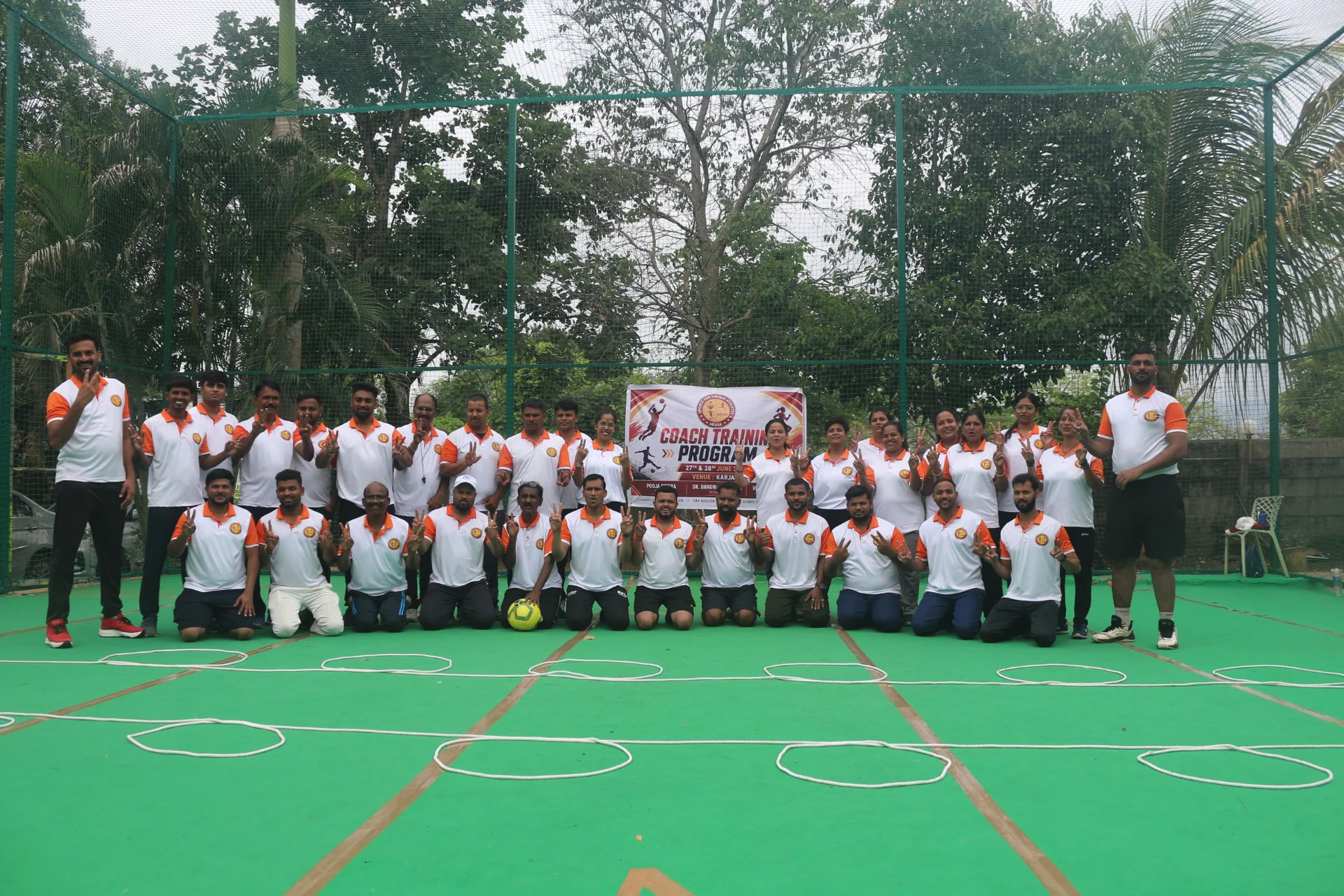
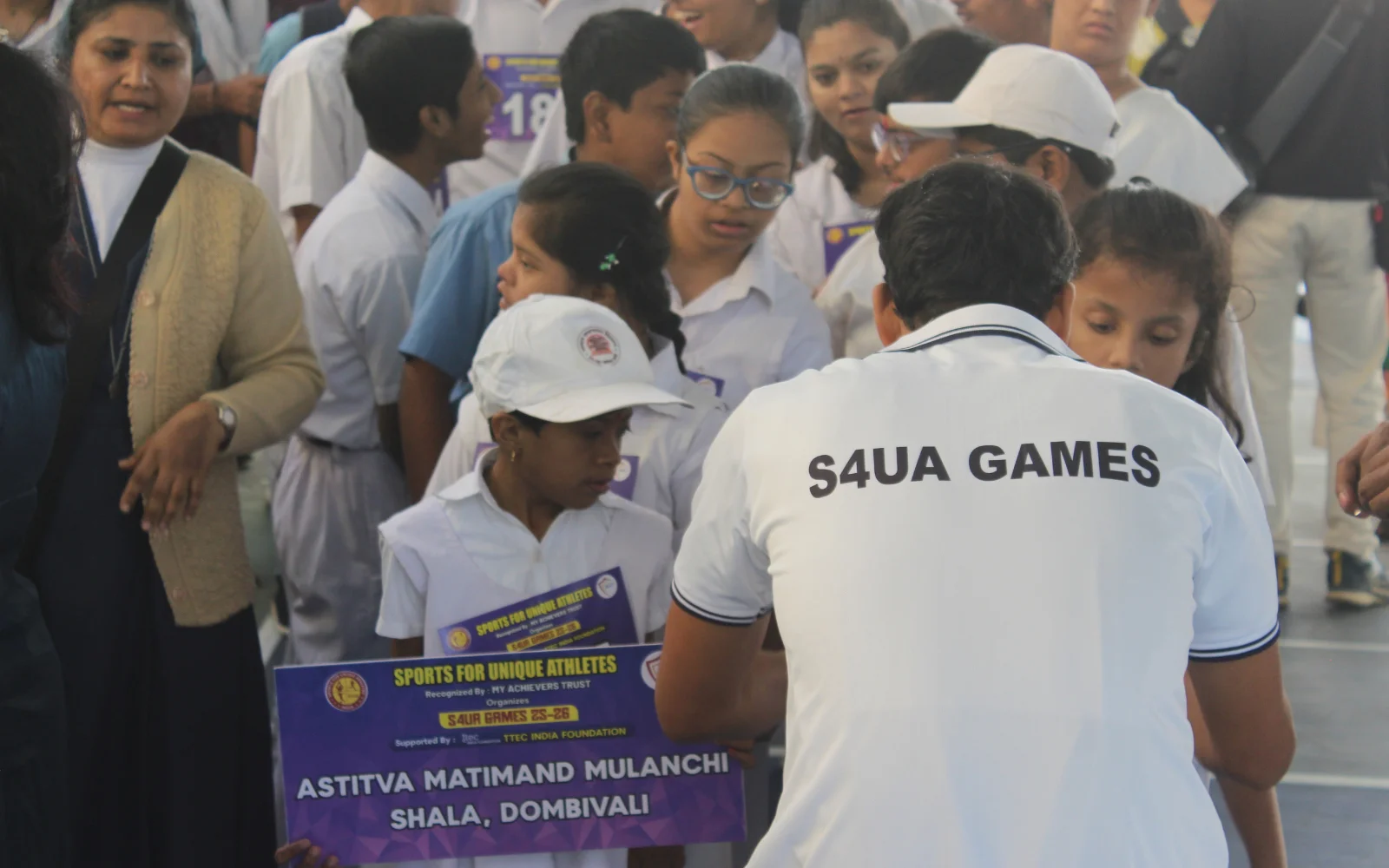
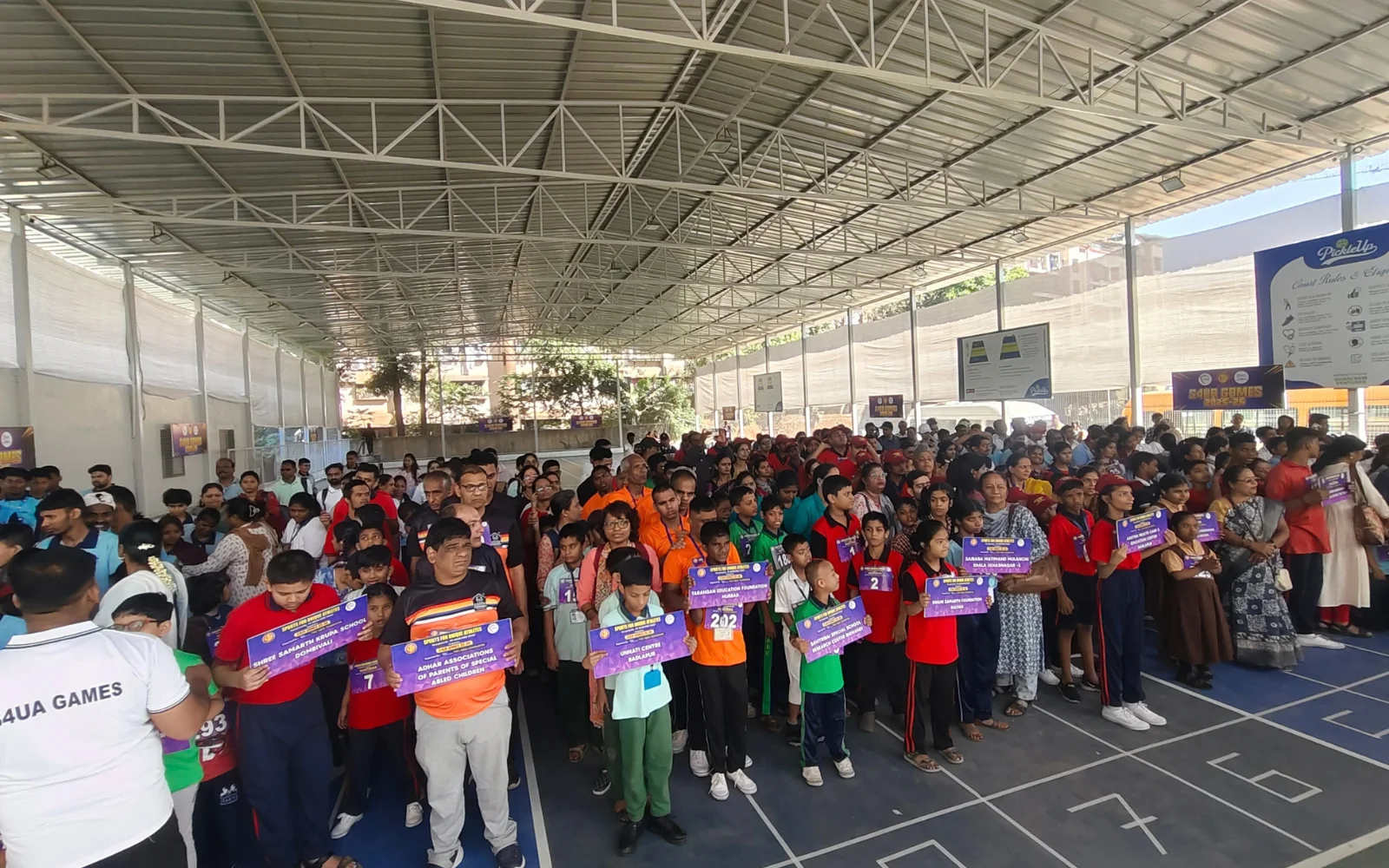
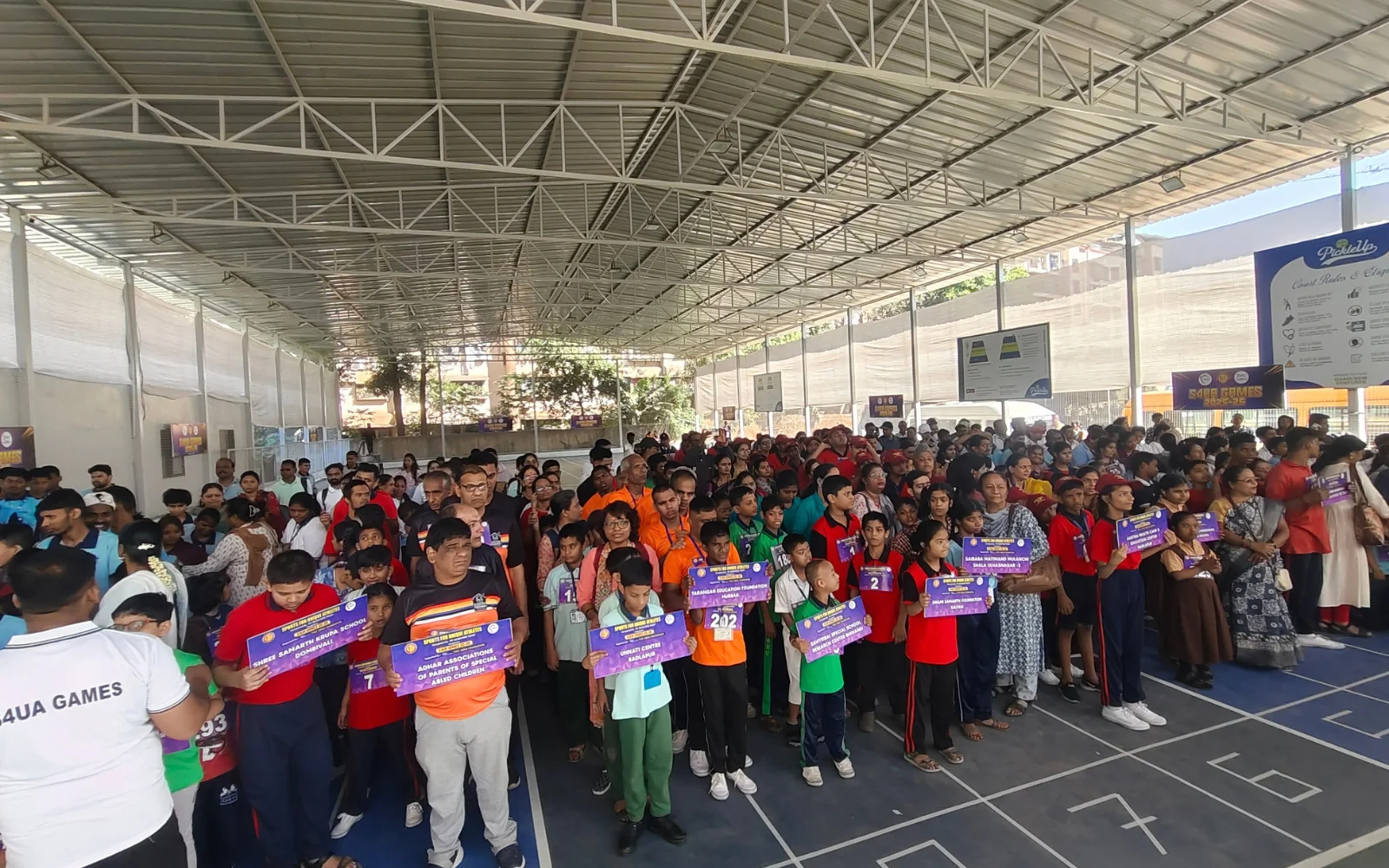
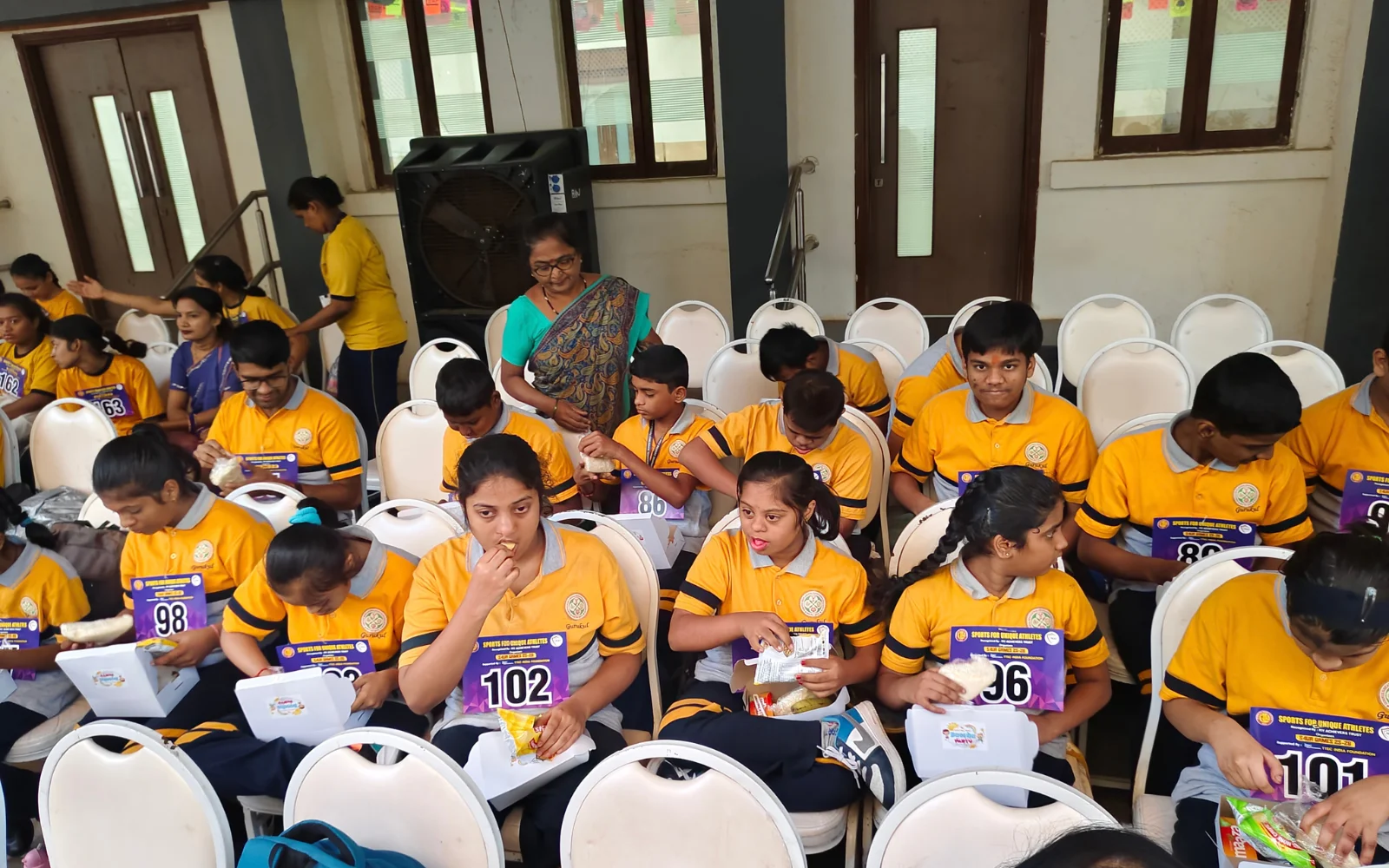
Inter-school sports meet, Mumbai. Children from 12 partner special schools took part in athletics and team events, with support from Inner Wheel and ARC Chemicals. Read more
- Sponsor a term of coaching for a school
- Fund sports equipment
- Support an inter-school event
The belief behind the programme
Sport is not only about the finish line.
Sport offers chances to take part, practise, learn skills and be active alongside others. Medals and competition can be part of that, but they are not the only measure. Every activity is adapted to each participant's abilities and support needs.
- For one participant
progress may mean learning a new movement.
- For another
it may mean practising a skill more confidently, or preparing for a suitable sporting opportunity.
We value sport for participation, learning and enjoyment. We do not present it as a treatment, or as a guarantee of any particular outcome.
Starting with movement
Every athlete starts somewhere.
For many participants, sport begins with movement: getting comfortable moving, trying something new and repeating it until it feels familiar.
Activities can include:
- Walking and running
- Balancing
- Jumping
- Throwing and catching
- Basic movement patterns
- Learning by watching and repeating
These are examples of activities, not a checklist every participant is expected to complete.
How coaches help participants learn
Break it down
Activities are split into smaller, manageable steps.
Show the movement
Coaches demonstrate, so participants can watch and copy.
Practise and repeat
Repetition gives each participant time to learn at their own pace.
Strength, conditioning and skills
Building skills through practice.
Regular practice gives participants time to work on balance, coordination, strength and stamina, and to develop skills connected to particular sports.
Activities are adapted to each participant and to the setting, with input from the school staff who know them.
Balance and coordination
Activities that practise moving with control and stability.
Strength and stamina
Conditioning introduced gradually and suited to each participant.
Movement patterns
Learning and repeating movements until they feel familiar.
Sport-specific skills
Skills connected to particular sports, built through regular practice.
Adapted to the setting
Shaped around the participant, the space and the equipment available.
School staff input
Teachers and staff share what they know about each participant's needs.
This is practical, school-based sport and activity, not a clinical or physiotherapy programme.
Learning a sport
From trying a movement to learning a sport.
Children have opportunities to practise athletics and suitable ball sports, learn skills, understand simple rules, take turns and play alongside others. Learning happens gradually, and it looks different for each participant.
Explore
Trying new movements and activities, with no pressure to get everything right.
Practise
Returning to skills regularly so they become more familiar.
Learn
Picking up sport-specific skills, simple rules and taking turns.
Participate
Playing alongside others in activities and games.
These are themes, not fixed stages. Participants may move between them in any order, at their own pace.
Every step counts
Progress looks different for every child.
Progress does not have to mean a medal, a competition or a dramatic achievement. Often it is quieter, and just as important.
- Taking part more willingly
- Practising a new movement
- Learning a skill
- Completing an activity with less help
- Participating alongside others
- Working towards a suitable sporting opportunity
These are examples of what progress can look like, not descriptions of specific participants.
Opportunities to progress
When the opportunity is right, the next step can open up.
Practice can lead to new opportunities. Some children may represent their school or take part in sporting events.
As skills and interest develop, S4UA works with schools and sporting networks to explore suitable competitions. Opportunities may exist at district, state and further levels. Whether a participant takes part depends on individual readiness and the requirements of each event.
Participation and individual progress are valuable in their own right, whether or not competition is the goal.
Practice and participation
Regular sessions at school, where taking part is the main goal.
Representing the school
Some children may have opportunities to represent their school or take part in sporting events.
Exploring suitable competitions
As skills and interest develop, S4UA works with schools and sporting networks to explore what may be suitable.
District, state and further levels
Opportunities may exist at these levels, depending on individual readiness and the requirements of each event.
In practice
What the programme looks like on the ground.
Real examples of the work, and the organisations that make it possible.
Inter-school sports meet
MumbaiWith support from Inner Wheel and ARC Chemicals, S4UA brought together children from partner special schools for a day of athletics and team events.
Coaches worked with school staff beforehand so that every child could take part in an event suited to them, and every participant was recognised on the day.
Weekly sessions in partner schools
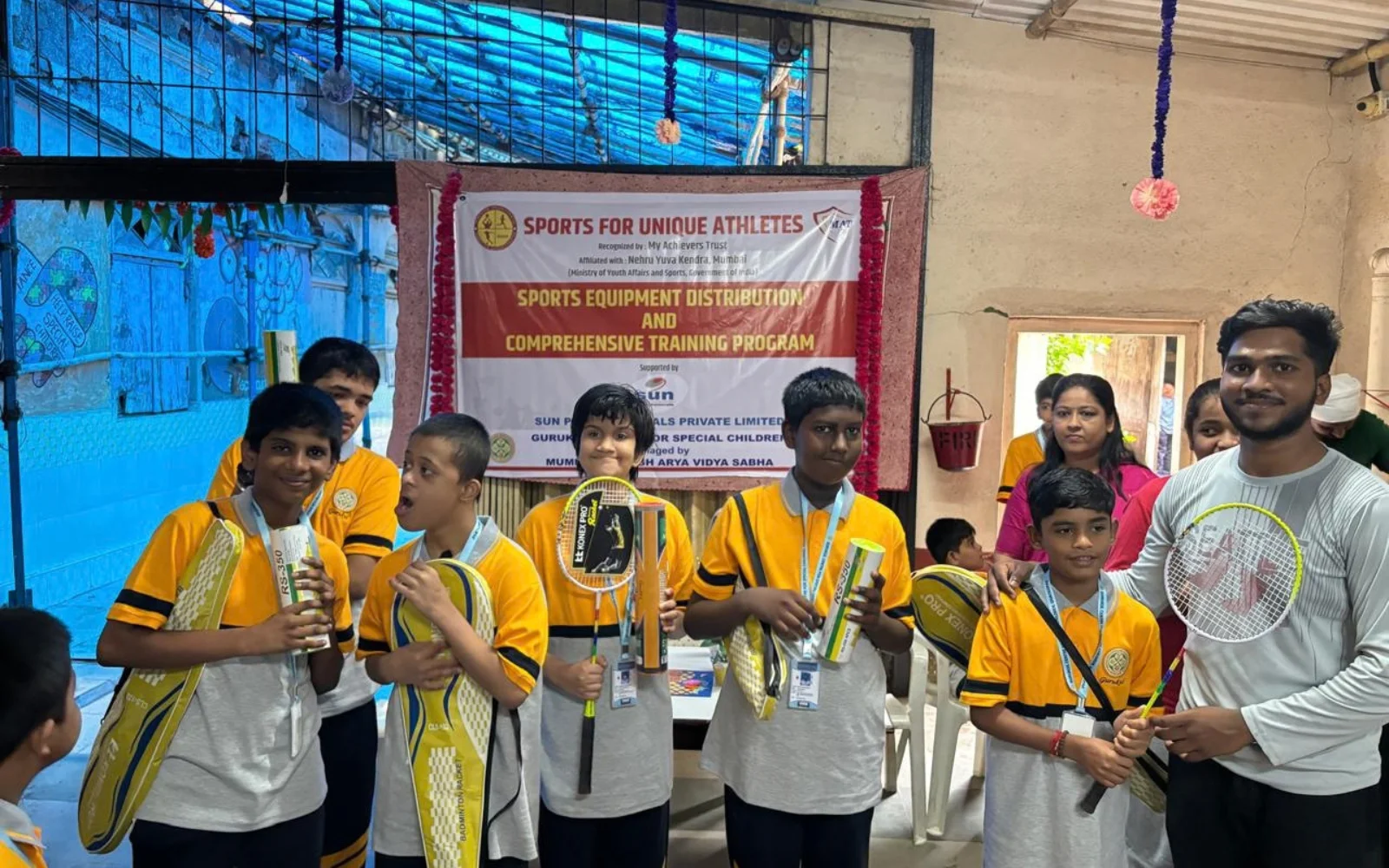
Mumbai and ThaneRegular coached sessions during the school week, with training and equipment support from Sun Petro and TTEC, so sport becomes part of school life rather than a one-off event.
Training and equipment
Sports events
Sun Petro, TTEC, Inner Wheel and ARC Chemicals support this programme. Meet our partners
The school team
Good support begins with understanding the child.
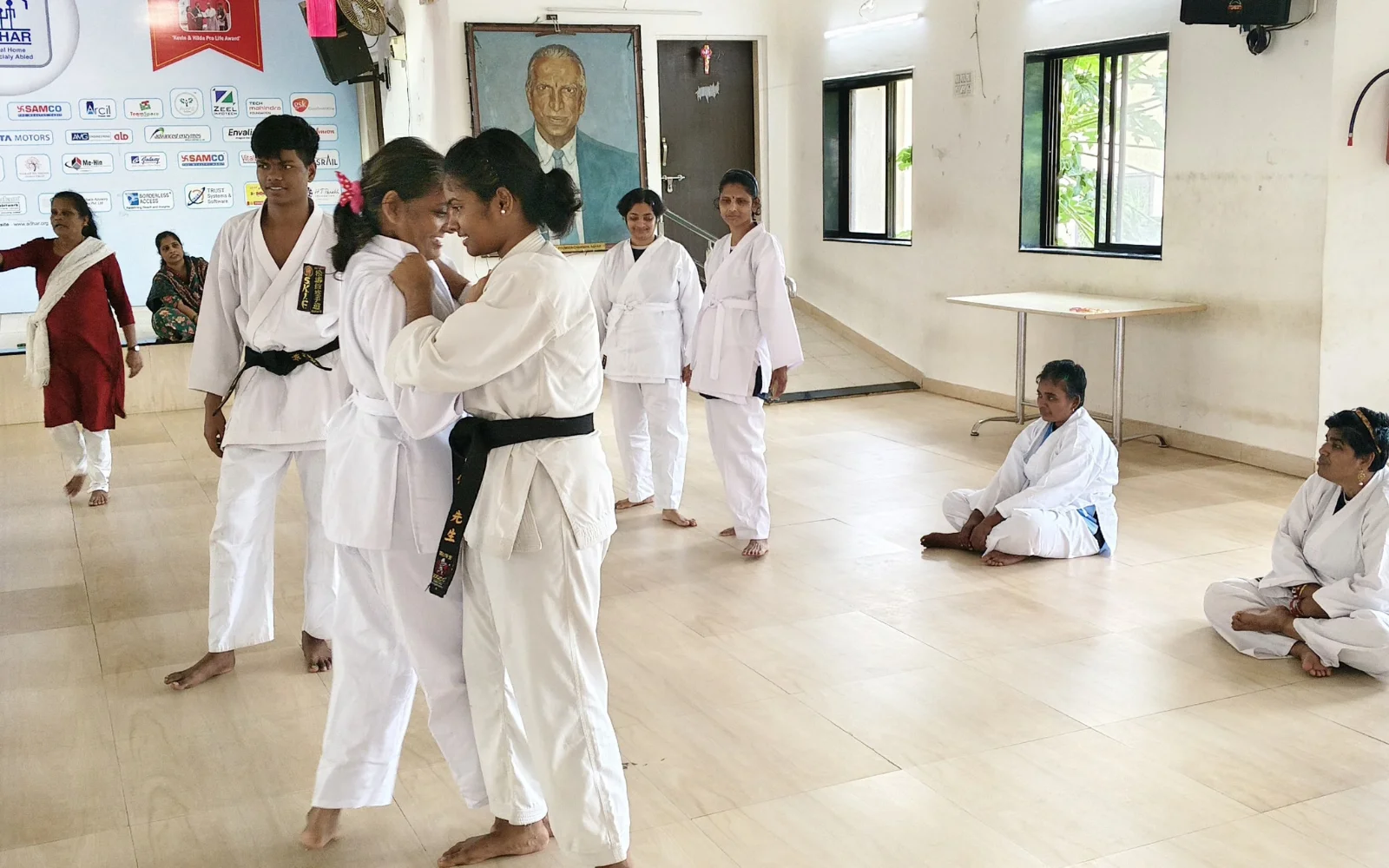
School staff know the participants best. Their insight helps coaches plan activities that suit each child, and helps sport fit naturally into the school day.
School staff help coaches understand:
- CommunicationHow each participant communicates and understands instructions.
- Familiar routinesThe patterns of the day that help participants feel settled.
- Support needsThe help each participant may need to take part.
- The environmentThe spaces, equipment and timings available at the school.
- Fitting the settingHow activities can work well within the school's own approach.
S4UA works with school teams to plan activities and create more meaningful opportunities to take part. Resources and settings differ from school to school, so planning starts with what each school has and needs. Training for coaches and teacher-coaches is part of our Coach Training & District Support programme.
Part of a wider approach
Participation needs the right support around it.
Sustained opportunities for sport depend on coaches, school teams, suitable equipment, appropriate spaces and ongoing collaboration. Each of these connects to other areas of S4UA's work.
Coach Training & District Support
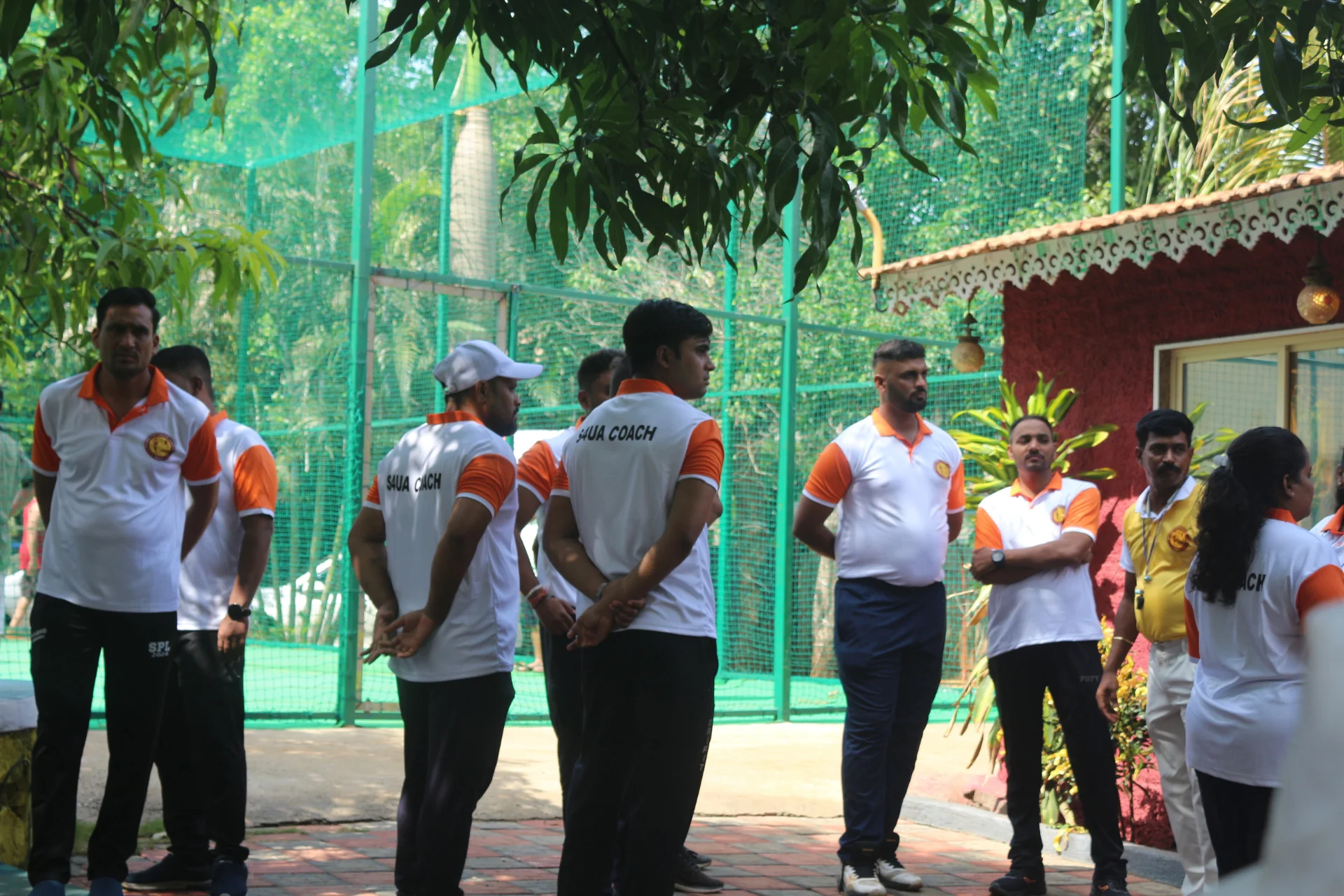
Trained people at school level help sessions continue, week after week.
School Infrastructure
Appropriate spaces and equipment help schools run activities safely and regularly.
Our Work
See all five programmes, what is running now and what is being developed.
How you can help
Three practical ways to support this programme.
Every contribution goes towards regular sport for children in special schools.
Sponsor a term of coaching
Fund regular coached sessions for one partner school for a full school term.
DonateFund sports equipment
Help a school get the basic equipment it needs to run safe, regular sessions.
See the equipment campaignSupport an inter-school event
Partner with us on a sports meet that brings schools and children together.
Become a partner
Get in touch
Help create more opportunities to take part.
If you would like to explore inclusive sport with S4UA, we would be glad to hear from you. We especially welcome conversations with:
- Special schools interested in sports participation
- Organisations that want to support inclusive sport
- Sports professionals exploring relevant opportunities
- Supporters who want to learn more about the work
Work with children always takes place with appropriate guidance and supervision. We will talk through what is suitable for your school or organisation.