Sensory & Therapy Rooms
Ongoing projectsHelping schools create the spaces children need.
Many children with intellectual and developmental disabilities benefit from guided sensory activities and therapy. S4UA brings schools and supporters together to create equipped rooms for this, with planning shaped by the children's needs, the school environment and relevant professional input.
- Status
- 4 projects supported, 3 completed
- Where
- Mumbai, Navi Mumbai and Thane district
- Supported by
- Rotary Seacoast and Muthoot
- Next
- More schools identified for future rooms
The programme at a glance
The need, what we do and how you can help.
A quick summary of the programme. Every project we have supported is listed further down this page.
Many children with intellectual and developmental disabilities benefit from guided sensory activities and therapy, but most special schools do not have a suitable, equipped room.
- Assess each school's needs
- Plan the room with professionals
- Provide equipment and help set it up
- Follow up on how the room is used
Special schools in Mumbai, Navi Mumbai and Thane district.
Four school projects supported so far: three completed and one in progress, with more schools identified.
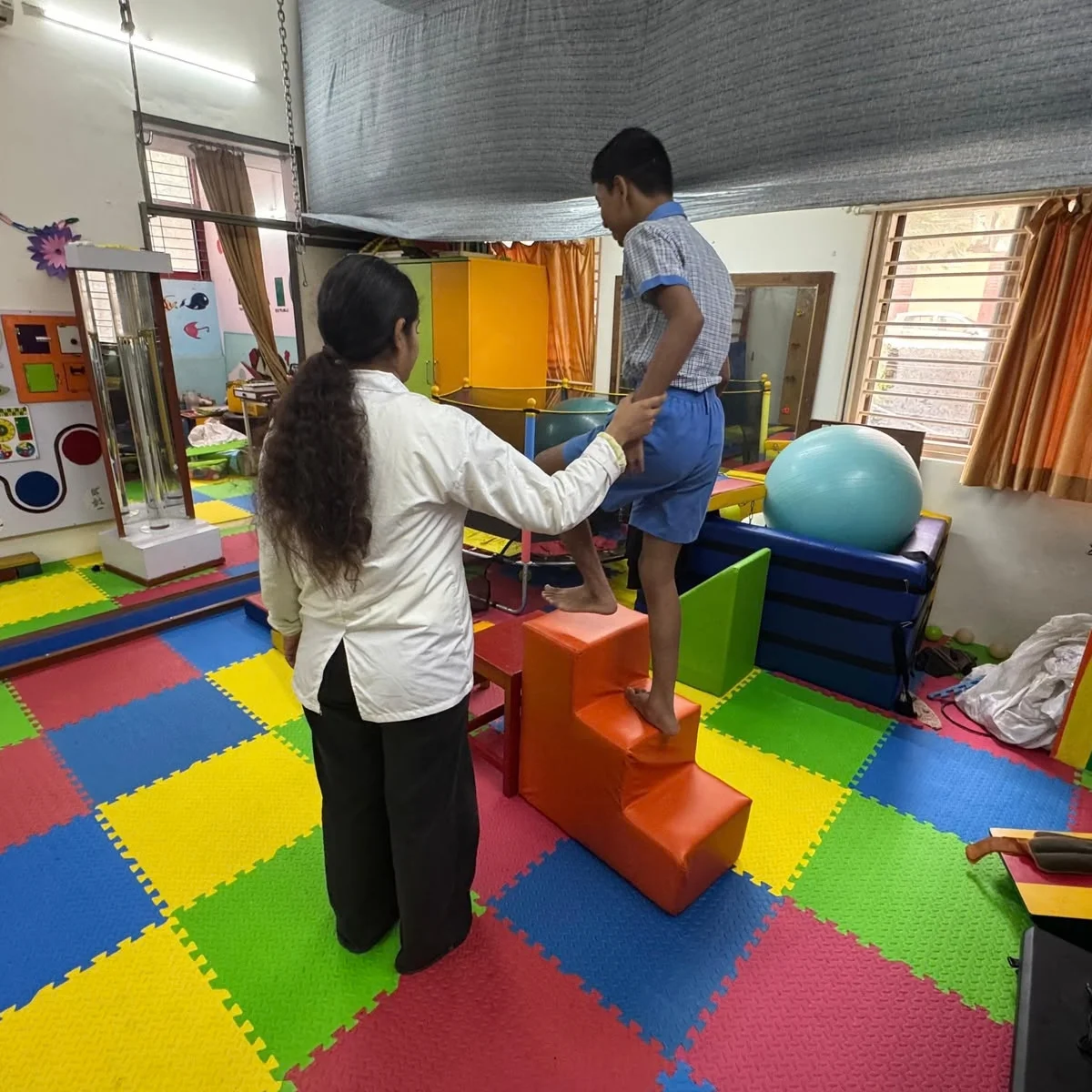
MBA Foundation, Airoli. A sensory room planned and equipped with Rotary Seacoast's support, now used for guided sessions with the school's therapists. See all projects
- Fund equipment for a sensory room
- Sponsor a complete room for one school
- Connect us with a school in need
Why the space matters
The right space begins with understanding the child.
Some special schools need an equipped room for guided sensory activities and therapy. A room like this is most useful when it is planned around the people who will use it and the school it belongs to.
The children who will use it
Their needs, preferences and the ways they take part.
The space available
What the school can realistically set aside and adapt.
The activities planned
How the school intends to use the room day to day.
Relevant professional guidance
Input that helps shape what the room is for and how it is used.
A sensory room is a practical resource. It does not guarantee particular outcomes, and its value depends on how it is planned and used.
Our approach
From a school's need to a useful space.
S4UA works with each school to understand its requirements, then helps bring the right planning, input and support together.
Every project is different. These stages describe a way of working, not a fixed process, and S4UA does not carry out every technical task itself.
Understand the school's needs
Work with the school to understand the children, the activities it intends to support and the requirements of the setting.
Plan the space
Consider the layout, available space, equipment and planned activities, guided by the school's needs and professional input.
Prepare for use
Help the school team understand the equipment and think through how the room will be used.
Plan for continuity
Consider maintenance and the school's ability to keep using the space appropriately over time.
Sensory-room projects
Where schools' needs meet practical support.
Every sensory-room project S4UA has supported, with the school, location, status, the support provided and the supporter who made it possible.

MBA Foundation
Completed Airoli, Navi MumbaiS4UA worked with the school to understand how a sensory room would be used, then helped plan the space and provide the equipment, with Rotary Seacoast's support.
The room is now used for guided sessions led by the school's therapists and staff.
-
Completed
Manilal Special School
Mumbai- Support provided
- Sensory room equipment and setup
- Supported by
- Muthoot
-
Completed
Umang Special School
Ghatkopar, Mumbai- Support provided
- Sensory and therapy room equipment
- Supported by
- Muthoot
-
Completed
MBA Foundation
Airoli, Navi Mumbai- Support provided
- Room planning, equipment and setup
- Supported by
- Rotary Seacoast
-
In progress
Vikasmatiman School
Ulhasnagar, Thane- Support provided
- Room planning and equipment
- Supported by
- Rotary Seacoast
Each project reflects its own setting. Rooms differ in layout, equipment and how they are used.
How each room is shapedShaped by the setting
No two school settings are exactly alike.
The layout, equipment and planned activities of a room should reflect the children who will use it, the space available and the input of the school and relevant professionals.
When planning a room, it helps to consider:
- The children who will use the room
- The space available in the school
- The activities the school intends to support
- Equipment suited to those activities
- Professional input where it is required
These are planning considerations, not a standard checklist or a clinical assessment.
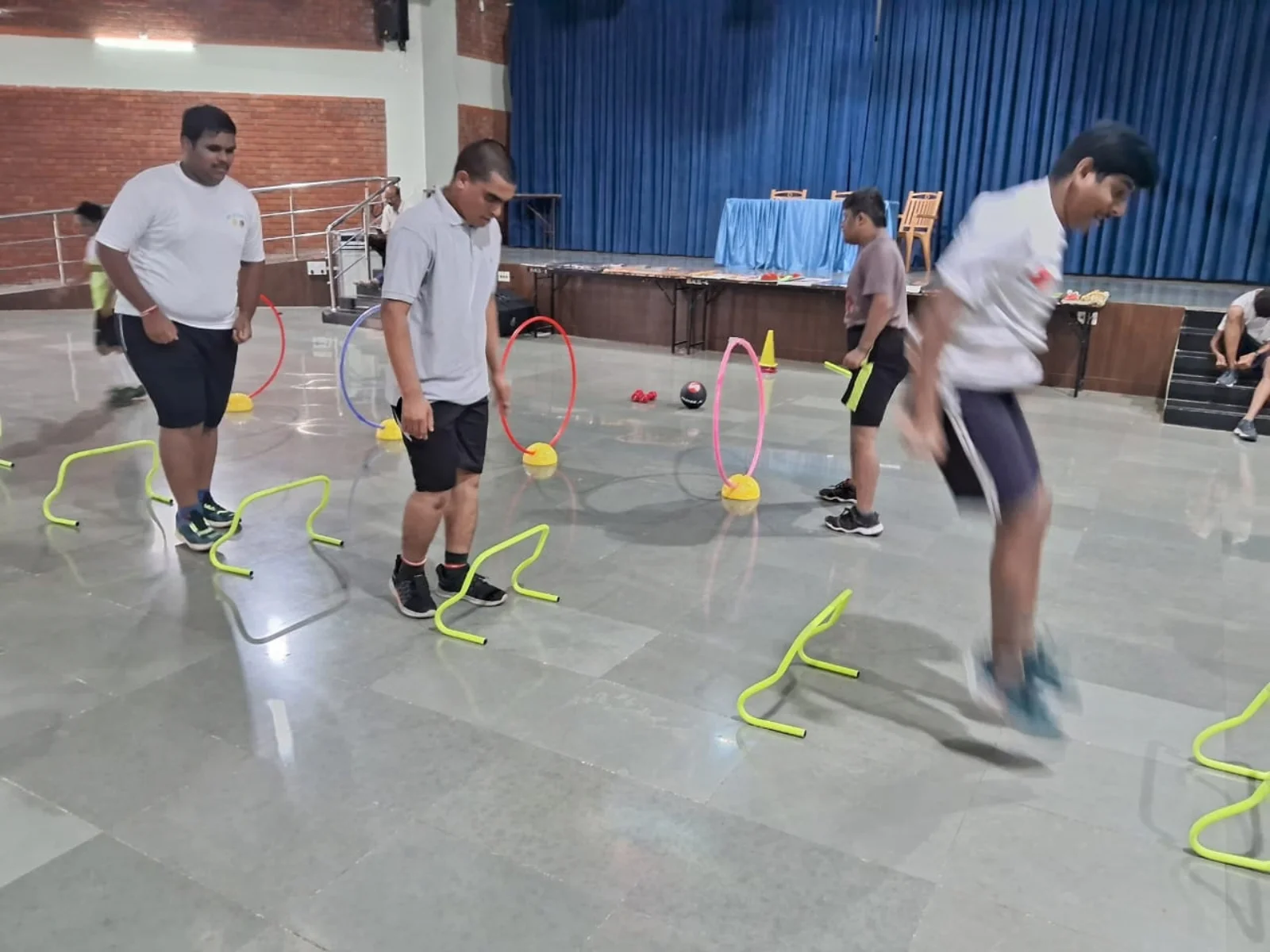
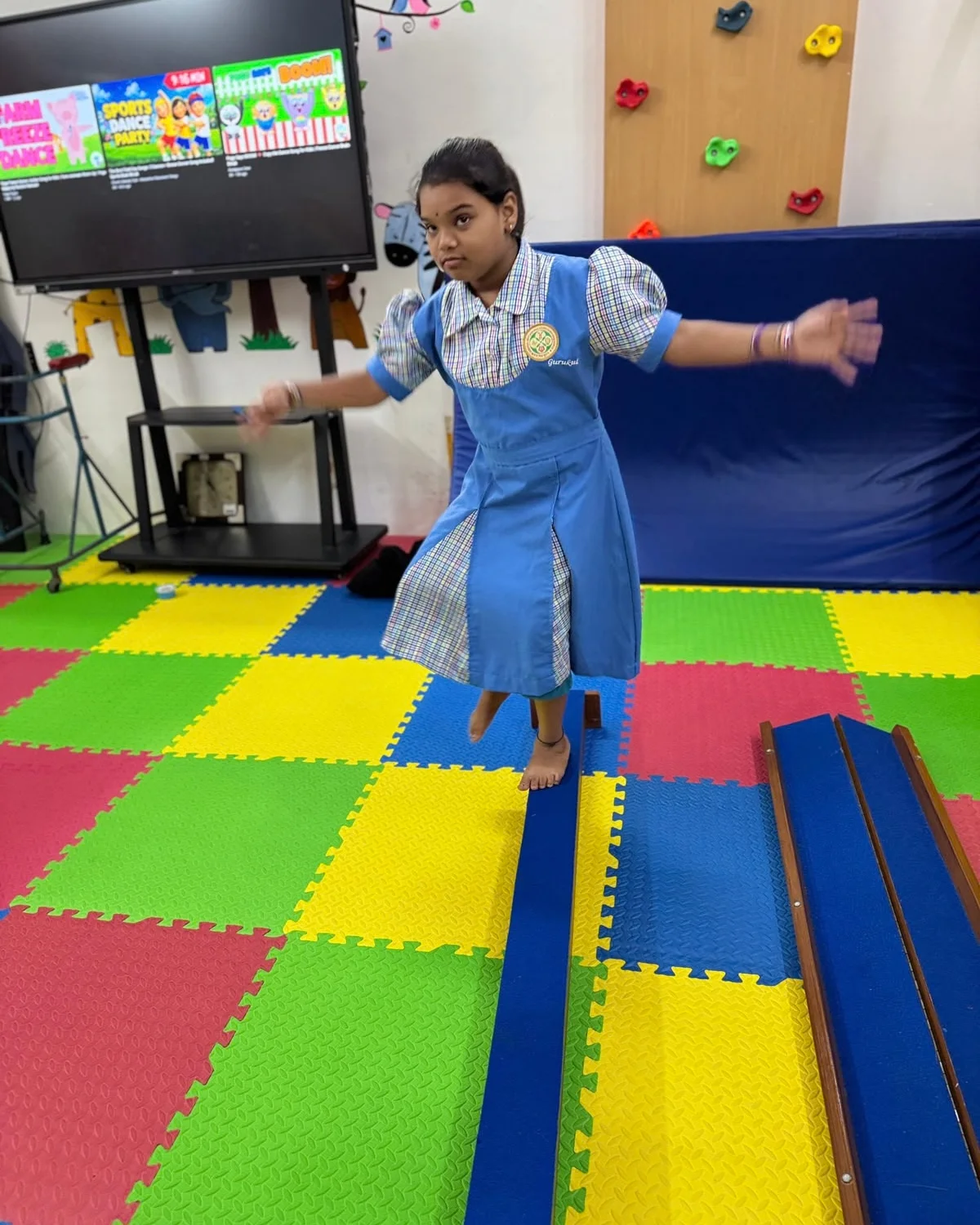
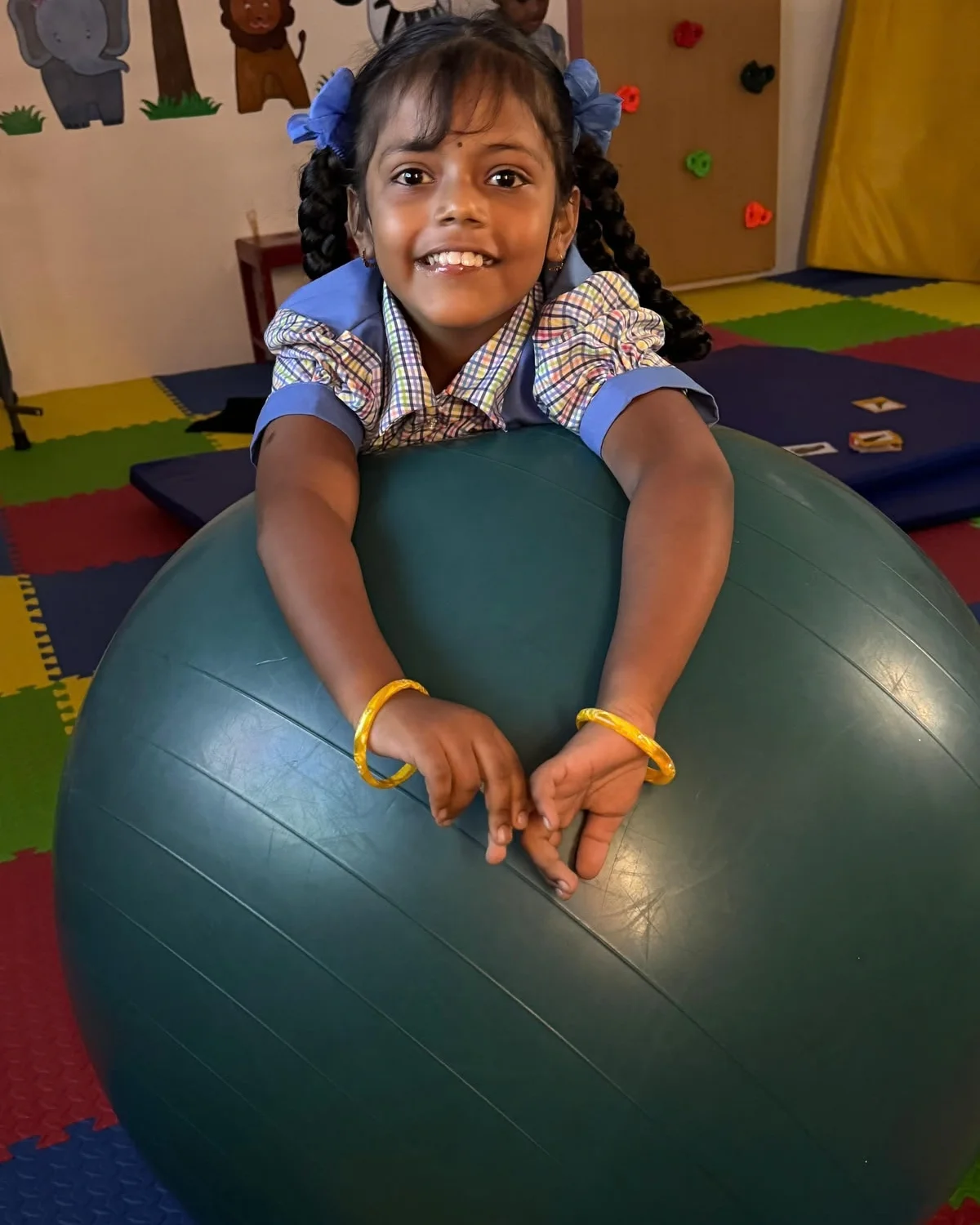
Using the space well
A space is most useful when the school is ready to use it.
Creating a room is only part of the work. The school team also needs to know how the room will be used and looked after.
Understanding the equipment
The school team needs to understand the equipment in the room and how it is meant to be used.
Planning how the room is used
The school plans when and how the room will support its activities.
Considering maintenance
Looking after the room and its equipment helps it stay useful over time.
Professional guidance
Therapy activities are guided and delivered by qualified professionals, and relevant professional input shapes the planned activities.
S4UA helps schools create these spaces. Therapy in them is guided and delivered by qualified professionals, and not every sensory activity is therapy.
Collaboration
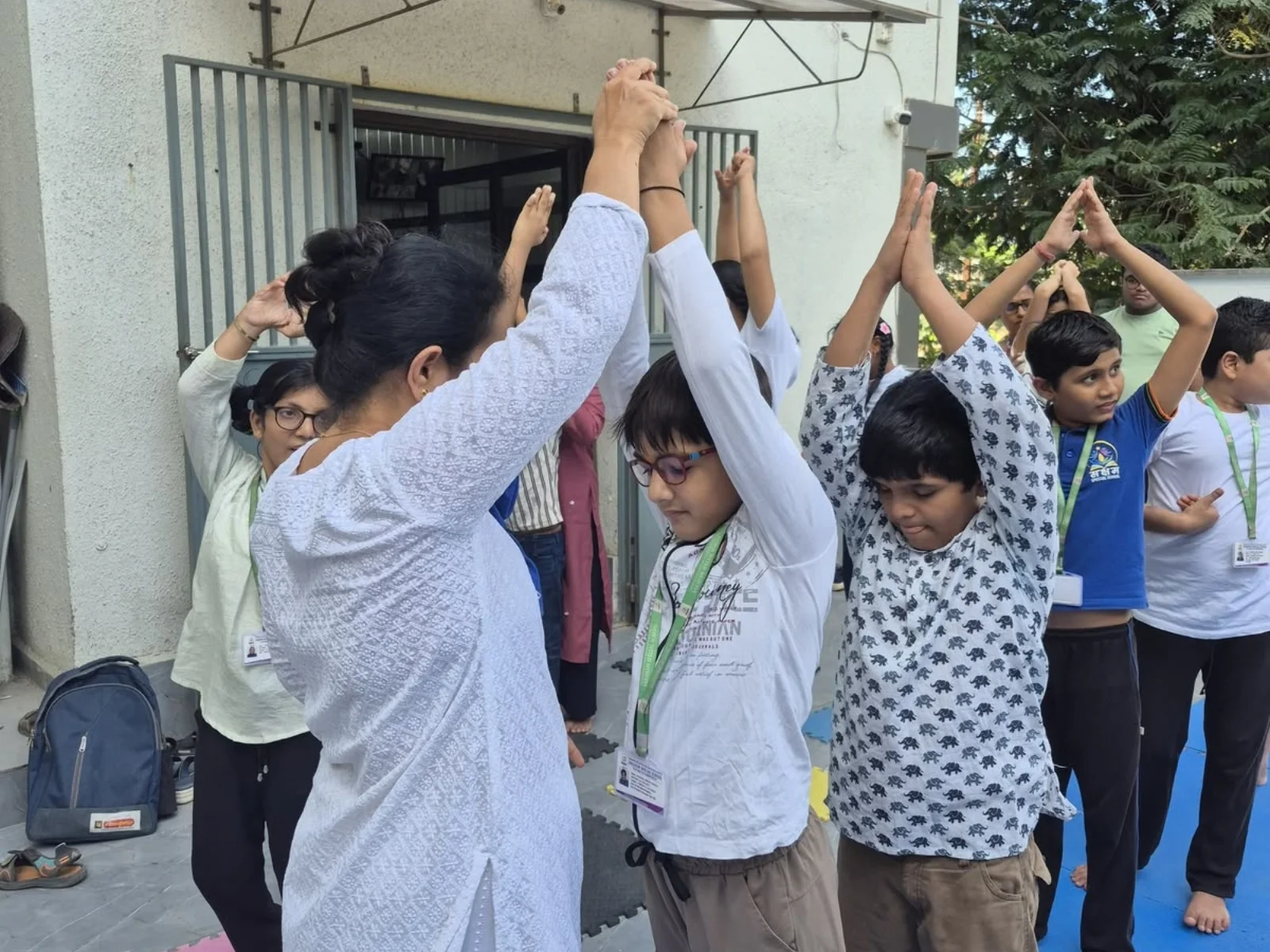
Good spaces take collaboration.
A sensory-room project usually brings several things together:
- A school's identified need
- Appropriate planning
- Relevant professional guidance
- Partners who can help make it possible
Rotary Seacoast and Muthoot support our sensory and therapy room projects, from MBA Foundation in Airoli to Umang Special School in Ghatkopar.
Our aim
Helping more schools access suitable spaces.
S4UA aims to help more schools create sensory and therapy rooms across Maharashtra, including in rural and tribal districts.
- The school's needs
- The space available
- Professional guidance
- Partners who can help
This is an ambition we are working towards. Not every proposed room can be created, and projects take shape as needs, space, guidance and partners come together.
How you can help
Three practical ways to support this programme.
Every contribution helps a special school create a space its children can use every week.
Fund room equipment
Help provide the sensory and therapy equipment a school's room needs.
DonateSponsor a complete room
Partner with us to plan, equip and set up a full room for one special school.
Become a partnerConnect us with a school
Know a special school that needs a sensory or therapy room? Tell us about it.
Contact us
Start a conversation
Help a school create a space its children can use.
If your school has a practical need for a sensory or therapy room, or your organisation would like to help make one possible, we would be glad to talk it through. Not every enquiry leads to a new room, but every conversation helps us understand where support is needed.
You can also explore our current campaigns or other ways to get involved.