
Our partners
The people and partnerships behind every opportunity.
Creating opportunities for children and young adults with intellectual and developmental disabilities takes more than one organisation. It takes schools that understand their students, people willing to contribute, and partners who see the value of participation, support and inclusion. S4UA is grateful to the organisations and communities that have helped this work grow.
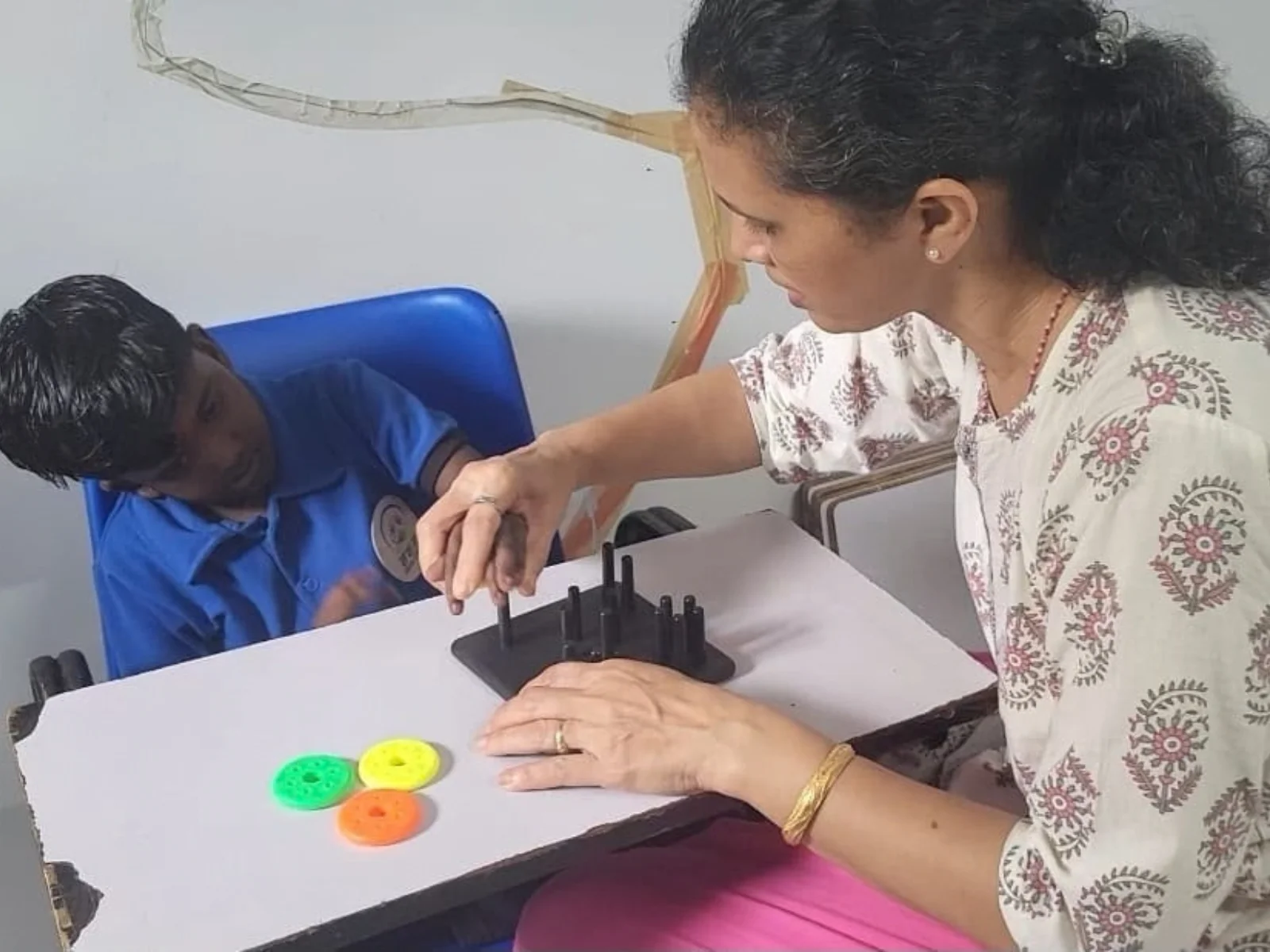
Why partnerships matter
Opportunities grow when people work together.
Creating more opportunities for children and young adults with disabilities calls for different kinds of support, such as:
- Suitable sports equipment and chances to practise
- Coaches and school teams who support participation
- Appropriate sensory and therapy spaces
- Practical support for school environments
- Longer-term work on infrastructure and livelihoods
Different partners bring different things: resources, skills, experience, funding or introductions. Good partnerships start by understanding a practical need, then exploring how a partner's strengths can help meet it.
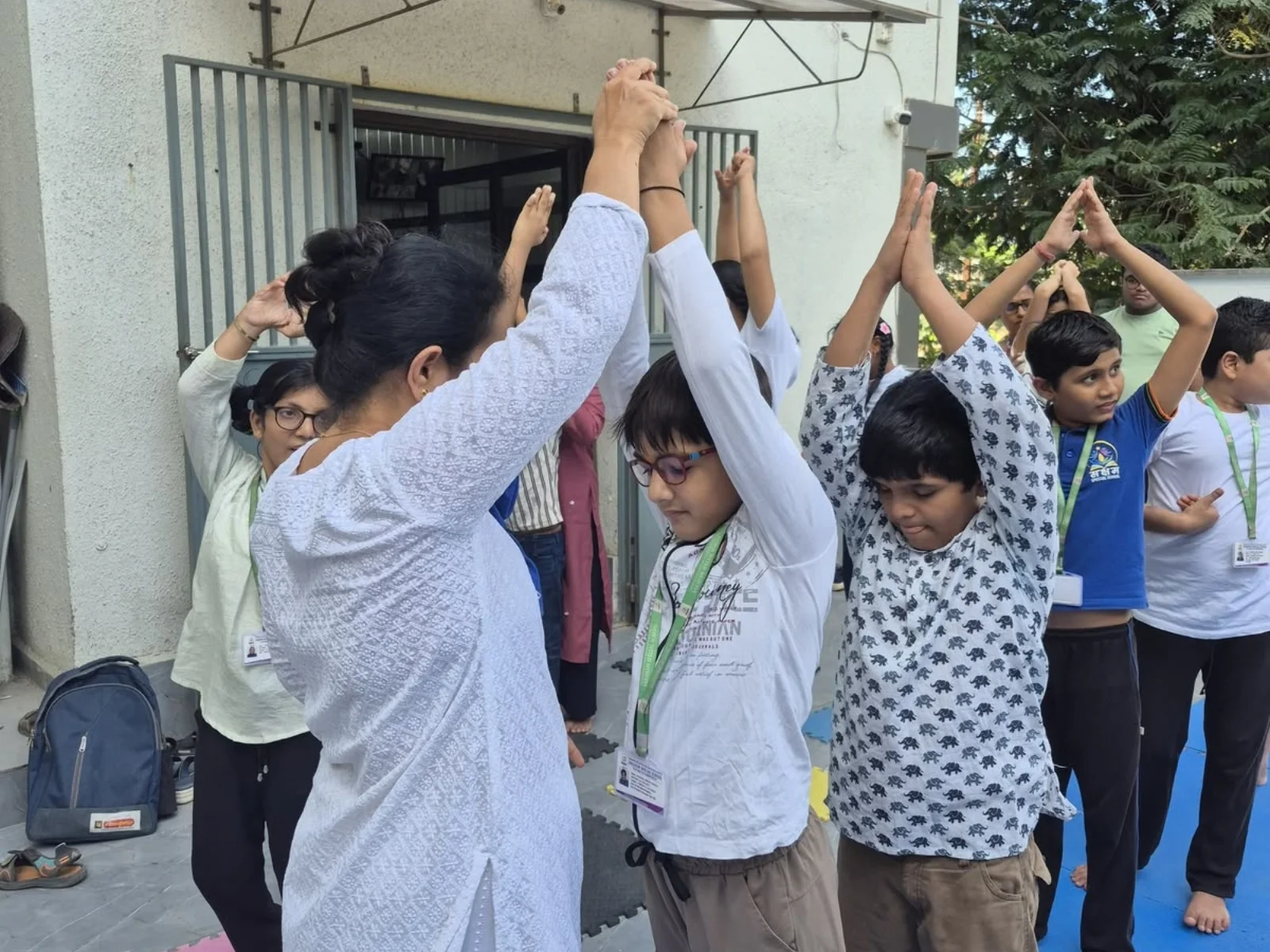
Our supporters and partners
With thanks to the organisations behind the work.
Each supporter is listed with the programme they have backed, so you can see exactly where their support has gone.
Sensory room projects
Equipment and setup for sensory rooms in Mumbai, Navi Mumbai and Thane.
Training and equipment
Sports equipment and regular training for children in partner schools.
Inter-school sports meets
Events where children from many special schools compete at their own level.
District programmes
Teacher-coach training and district coaching support for special schools.
Skills pilot partner
Hosts and guides the livelihoods skills pilot for young adults in Dhule.
FCRA-registered partner
S4UA programmes can receive foreign donations through this FCRA-registered partner, which receives and accounts for them.
We also thank Gain Access and Celebration Sports Club for their support over the years.
Alongside them, individual supporters and the school communities S4UA works with have been part of this journey from the start.
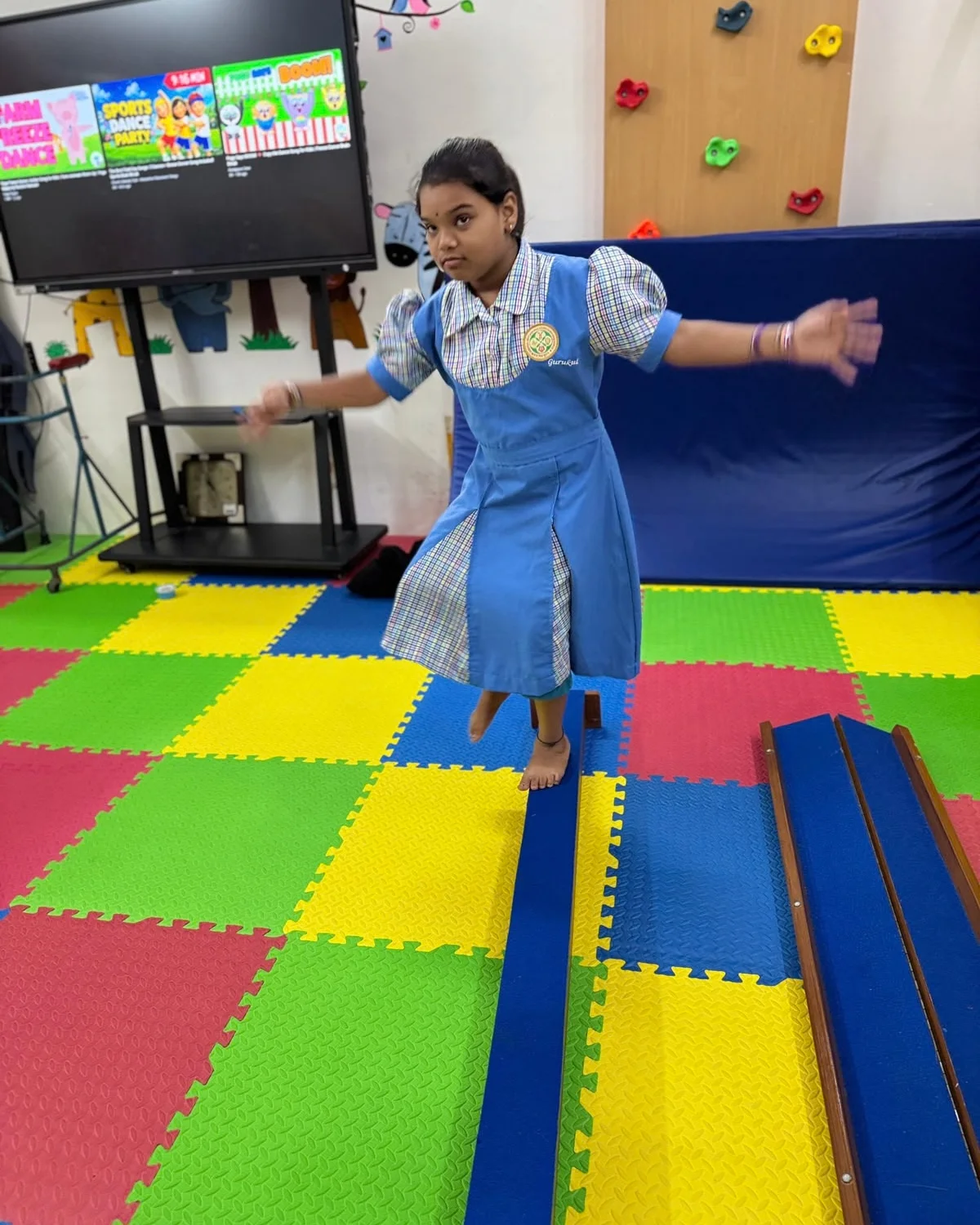
Partnership in practice
A practical need. A shared effort.
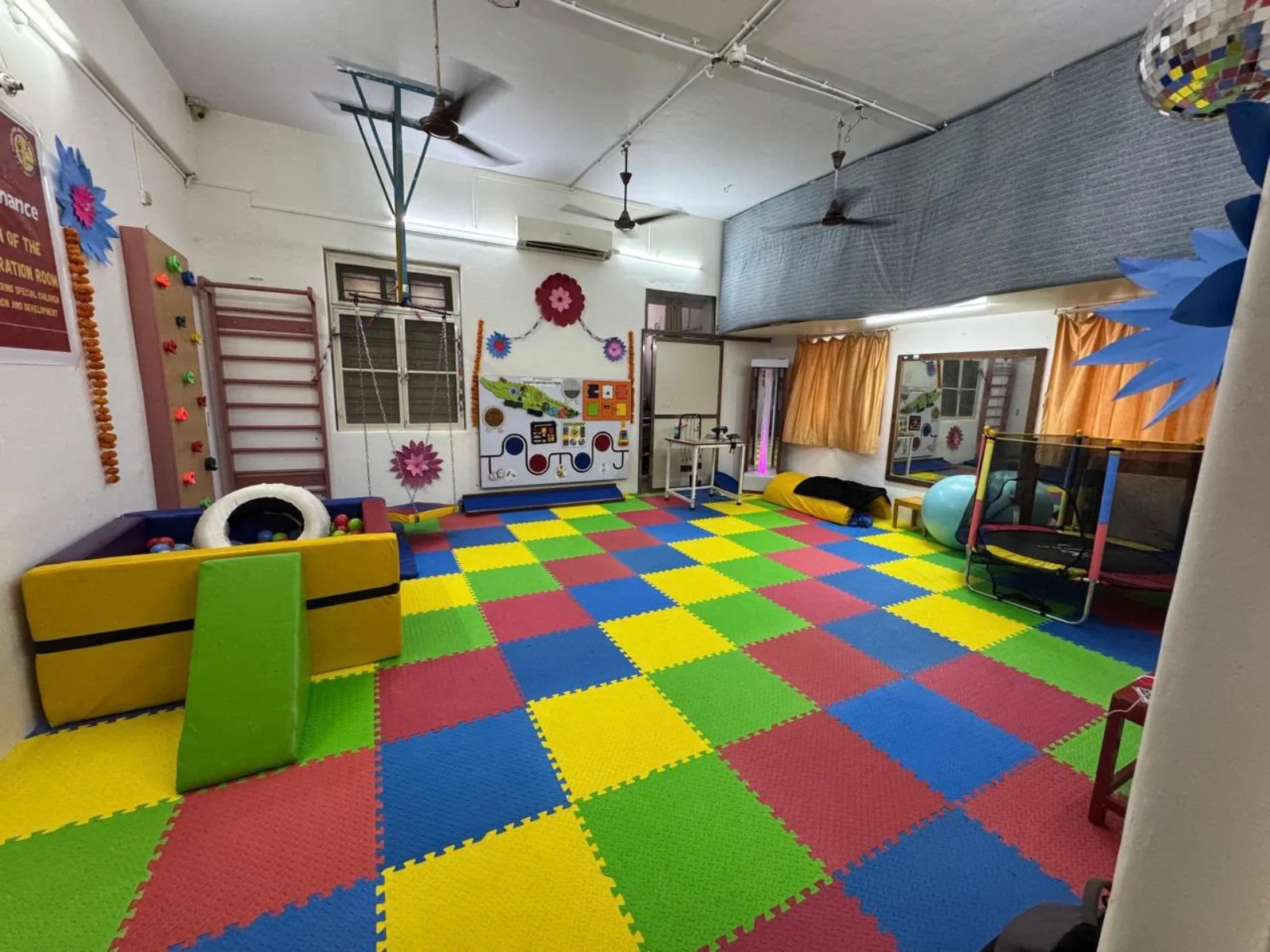
Rotary Seacoast supported S4UA's sensory-room project at MBA Foundation in Airoli, from planning the room to providing the equipment.
- children using the room
- 40+
- guided sessions
- Weekly
- year completed
- 2025
It is an example of organisations coming together around a practical need identified within a school community. School-based support often starts this way, and a project of this kind can involve:
Understanding the need
The school's context shapes what kind of support is appropriate.
Planning the support
Considering the space, suitable equipment and how it will be used.
Working together
Partners help bring attention and resources to an identified need.
Use within the school
The school team helps make the space part of everyday activities, with professional guidance where needed.
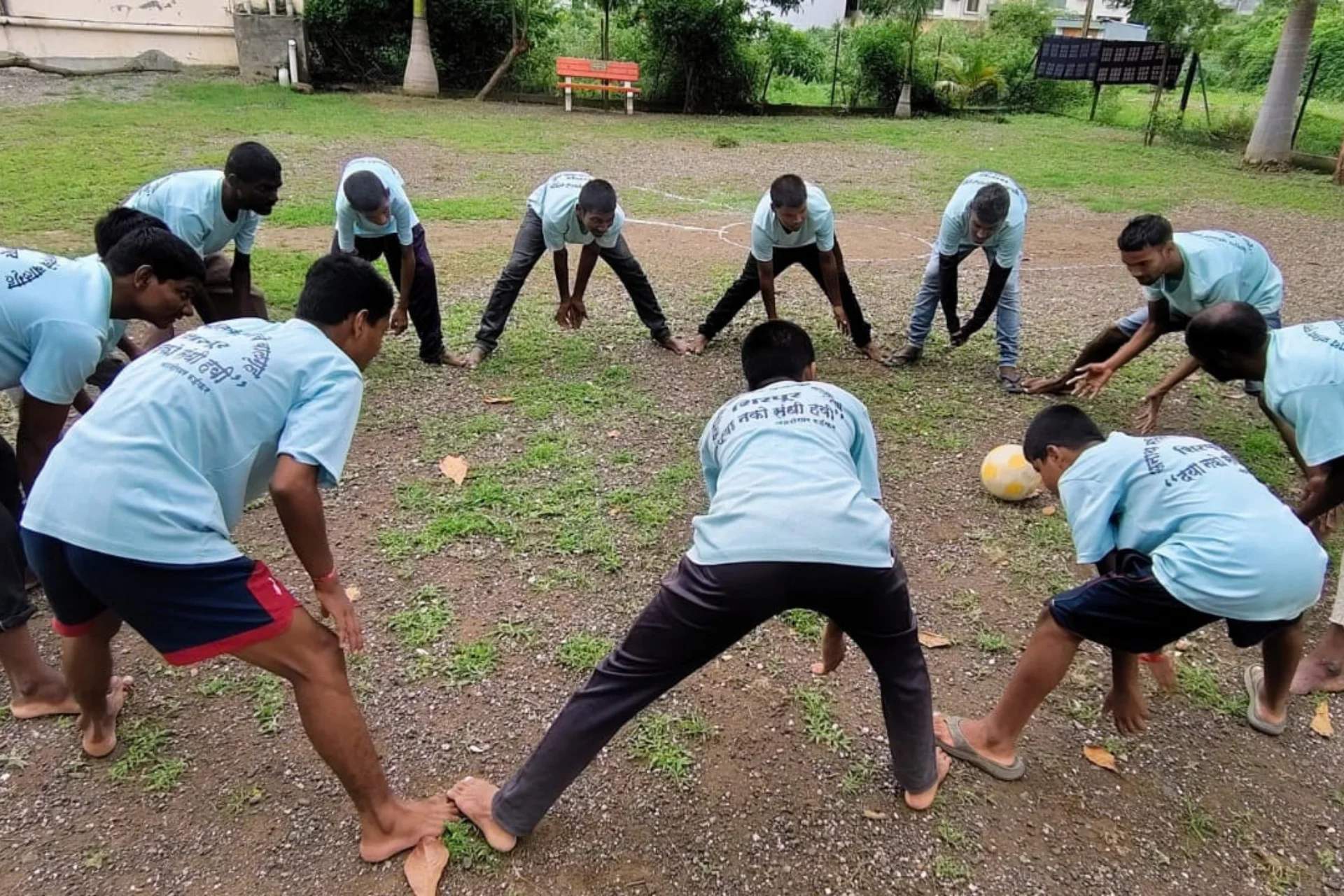
Our school communities
The closest partners in the work are the schools themselves.
Special schools are at the heart of S4UA's work. Their leaders, educators and staff bring their own experience and an understanding of their communities that no one else has.
- Knowing the childrenUnderstanding the needs, routines and interests of the children in their care.
- Organising activitiesHelping sessions fit into the school day and the school setting.
- Making resources usefulPutting equipment, spaces and training to work within each school.
Areas for collaboration
Different needs. Different ways to contribute.
These are areas where S4UA welcomes conversations with prospective partners. Each shows its current status, so you can see what is running now and what is still being developed.
Sport and participation
OngoingSuitable equipment, sports activities and opportunities for children to practise and take part.
Sports & Athlete DevelopmentCoach development
OngoingPractical training, school teams and the coach-development activities that help sessions continue.
Coach Training & District SupportSensory and therapy spaces
Ongoing projectsSchool-identified needs, suitable equipment, careful planning and professional guidance.
Sensory & Therapy RoomsSchool infrastructure
Partly plannedPractical school needs today, and longer-term infrastructure priorities that remain in development.
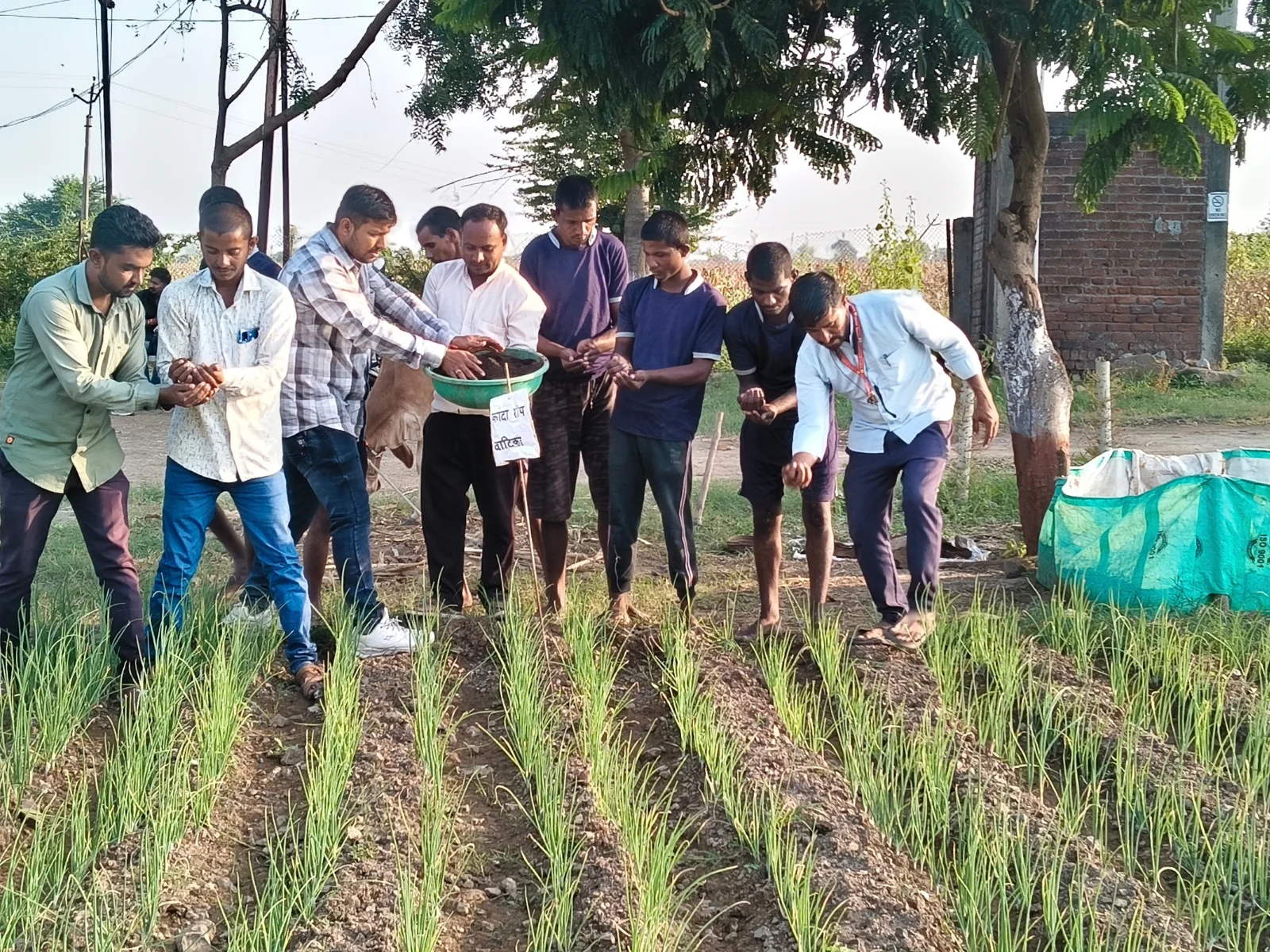
School InfrastructureLivelihoods and independence
DevelopingA skills pilot in Dhule helping young adults learn practical, work-related skills, with room for new training and market partners.
Livelihoods & IndependenceCommunity and programme support
Skills, introductions, communications, volunteering or other agreed contributions, depending on current needs.
Ways to Get Involved
Starting a partnership
Start with the need. Then explore what we can do together.
S4UA welcomes conversations with organisations and individuals who want to support inclusive opportunities. There is no set formula; each conversation is shaped by the people involved and the needs in front of them.
- Your interests and capabilities
- The needs of the schools or programmes involved
- The kind of contribution you are considering
- The practical arrangements needed to explore it further
- Corporate CSR teams
- Companies and foundations
- Trusts and service clubs
- Schools and local organisations
- Individual supporters
- Coaches, trainers and volunteers
A shared commitment
The work is shared. The purpose is clear.
Every partnership begins with a decision to take a practical need seriously.
When schools, supporters and organisations work together, they can help create more opportunities for these children and young adults to participate, practise and grow. There is still much to do, and S4UA welcomes those who want to explore how they can contribute.
Opportunity is something we build together.
Work with us
Let's explore what we can make possible together.
Whether you represent an organisation, a school community or simply want to help, we would be glad to talk about an area of shared interest.