Livelihoods & Independence
DevelopingOpportunities beyond childhood.
As children become young adults, the question of what comes next becomes increasingly important. S4UA is developing livelihood and vocational opportunities that help young adults with intellectual and developmental disabilities learn practical skills and move towards greater independence, starting with a skills pilot in Dhule.
- Status
- Developing: skills pilot under way
- Where
- Dhule district, Maharashtra
- Pilot partner
- Kapdane Khadi aur Gramodyog Sanstha
- Next
- More skills, trainers and market links
The programme at a glance
The need, what we do and how you can help.
A quick summary of the programme. This is a developing area of our work: a pilot is running, and much of the programme is still being built.
When school ends, young adults with intellectual and developmental disabilities have very few structured ways to learn work skills, especially outside the big cities.
- Now: run a skills pilot in Dhule with a local partner
- Now: shape tasks around each participant
- Developing: links to work and market opportunities
Dhule district, Maharashtra, where the pilot runs with Kapdane Khadi aur Gramodyog Sanstha. Other districts may follow once the approach is tested.
A small skills pilot is running in Dhule. Training content, partners and market links are still being developed, so this is not yet a full programme.
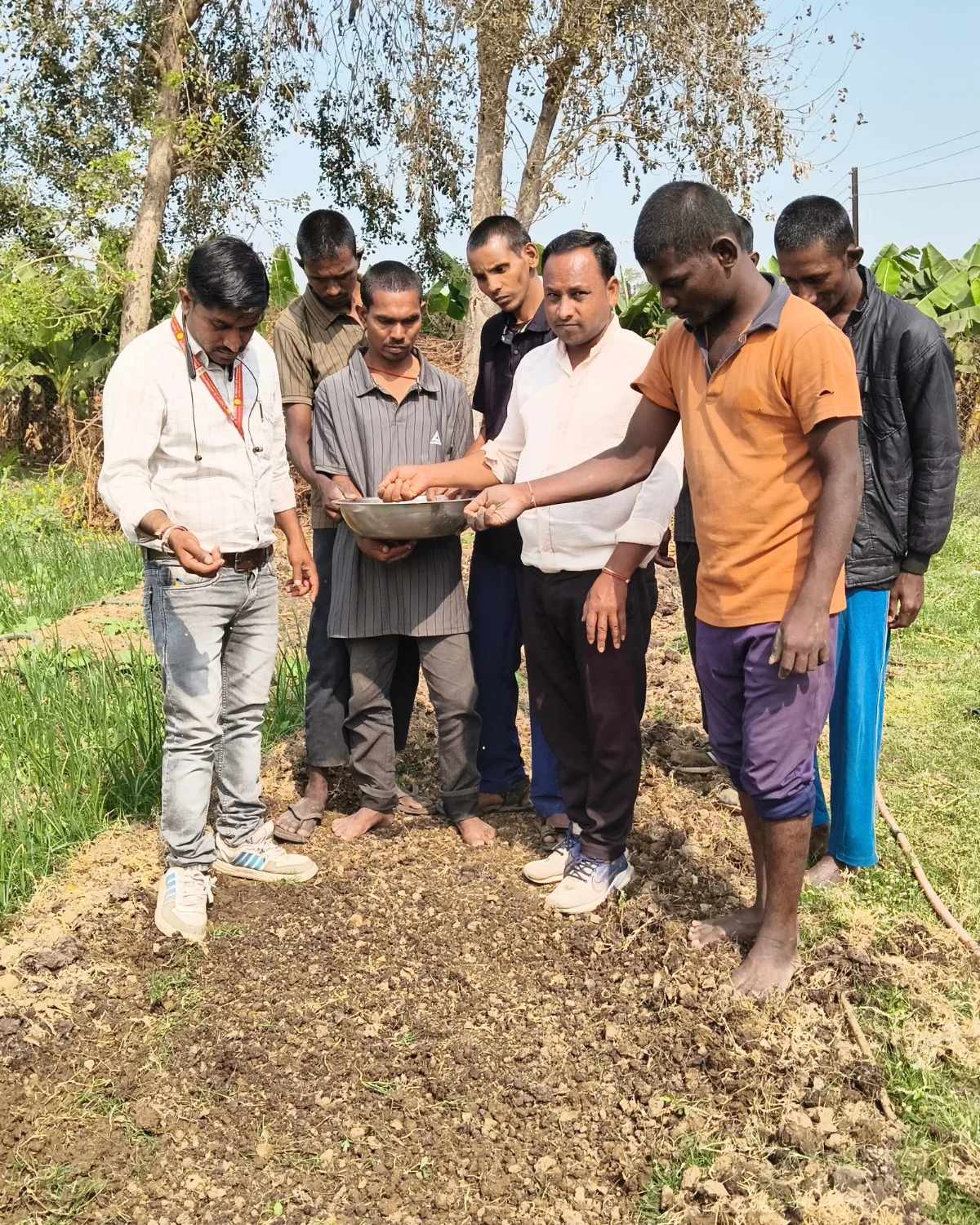
Skills pilot in Dhule. Young adults are learning simple khadi and village-industry tasks with Kapdane Khadi aur Gramodyog Sanstha. See the example
- Fund training materials and equipment
- Mentor or train young adults
- Offer work or market opportunities
Looking ahead
The next stage of life deserves thoughtful planning.
As children become young adults, families and schools need to think about what comes next: the skills, routines and kinds of participation that could shape the years ahead.
Useful opportunities are not one size fits all. They should be shaped around each person's:
- Interests
- Abilities
- Communication
- Support needs
- Circumstances
This is about planning carefully and realistically, with each young adult at the centre. Independence looks different for different people.
Learning practical skills
Start with the person, the skills and the support they need.
The aim is to help young adults learn tasks and routines suited to their interests and support needs. Activities will be chosen with the school or programme partner and the people who will guide the learning.
Individual interests and support needs
The starting point is the person, rather than a one-size-fits-all activity.
Practical learning and routines
Skills and tasks should be relevant to the intended activity and suitable for the participant.
Appropriate guidance
Learning is shaped with the school or programme partner and those responsible for guiding the activity.
These principles describe a developing approach. They are not a finished curriculum or a formal assessment process.
Connecting learning with opportunity
Skills matter when there is a realistic place to use them.
A useful programme needs suitable equipment, guidance and a realistic understanding of where the skills can be used.
S4UA wants to work with people who can help develop training and connect it with appropriate work or market opportunities.
Suitable equipment and resources
The tools and materials a particular activity genuinely needs.
Guidance from experience
People who understand the skills and how they are used.
Understanding the local setting
What is practical and relevant where participants live.
Appropriate work or market opportunities
A realistic sense of where the skills could be applied.
These are considerations for developing the work, not services that are already in place.
Beginning with the realities of Dhule.
Dhule is a focus area for developing this livelihood work. S4UA is working towards a practical approach that considers:
The participants
Their interests, abilities and support needs.
The local setting
What is realistic and relevant in Dhule.
The skills being explored
Tasks and routines that suit the people involved.
The support required to continue
Guidance, equipment and partners who can help the work last.
Dhule is where this livelihood work is being developed first. A small pilot is running, the approach is still taking shape, and it does not yet reach every young adult in the area.
In practice
What the pilot looks like.
Skills pilot in Dhule
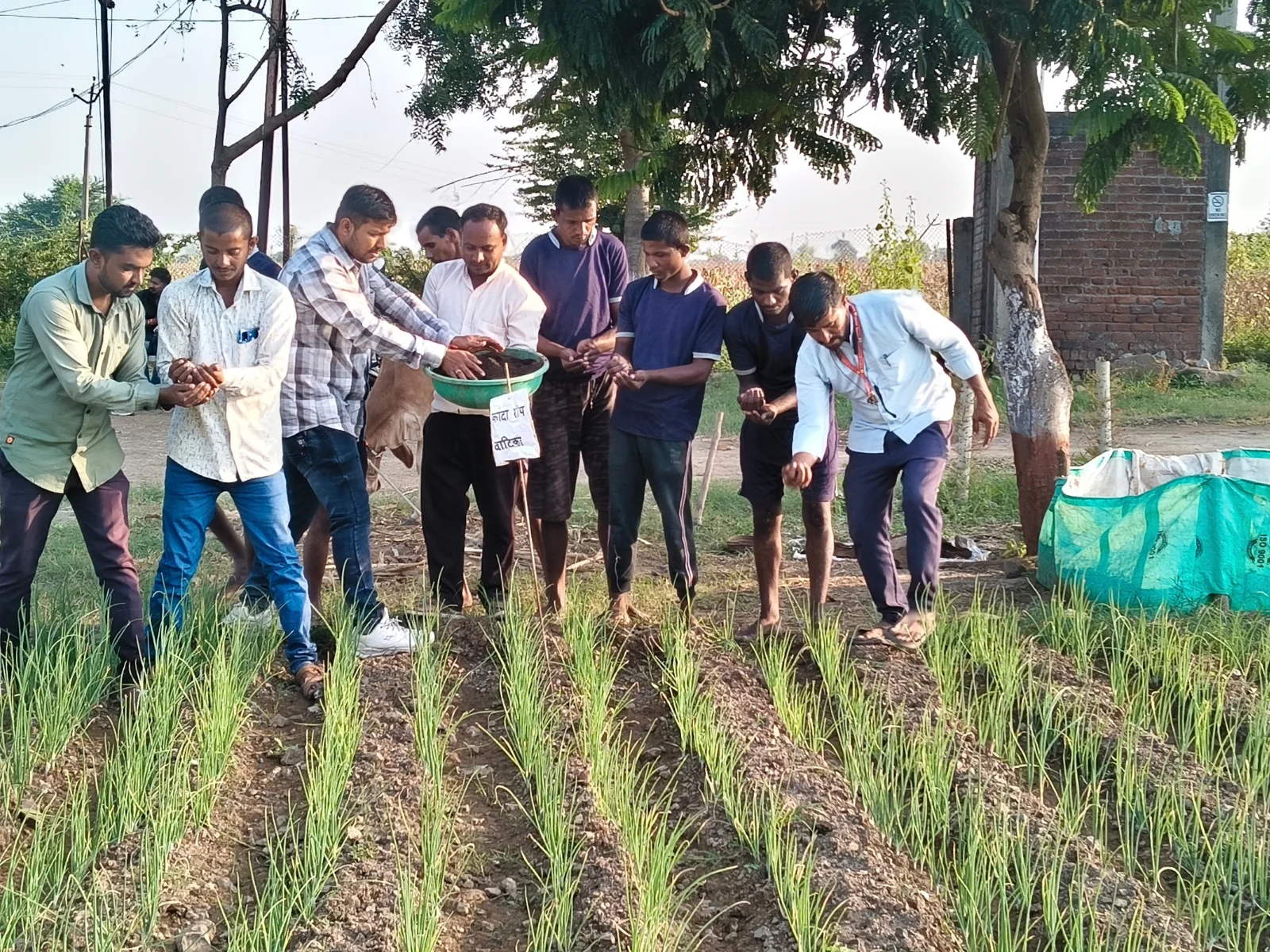
Dhule district DevelopingWith Kapdane Khadi aur Gramodyog Sanstha, a small group of young adults is learning simple khadi and village-industry tasks such as spinning, folding and packing.
Each participant works at their own pace, with tasks chosen around their interests and the support they need. Trainers from the Sanstha guide the sessions.
Connecting skills with local buyers
Dhule district PlannedEarly talks with local khadi outlets and small businesses about selling products made during the pilot.
Pilot partner
Dhule district supporter
Kapdane Khadi aur Gramodyog Sanstha hosts and guides the skills pilot. Ajmera supports S4UA's work in Dhule district.
Could your organisation train, mentor or buy from young adults in the pilot? See how you can help.
How partners can help
Build suitable opportunities together.
Vocational trainers, employers, mentors and supporters can contribute their experience and help shape suitable opportunities. We welcome conversations about practical skills, equipment and supported work that fit the participants.
Vocational trainers
People who can contribute relevant knowledge and help shape practical learning.
Employers and businesses
People who can help explore where suitable skills may have a realistic application.
Mentors and experienced professionals
People who can share relevant experience and guidance.
Schools, programme partners and supporters
People who can help identify needs, equipment requirements and practical ways to develop the work.
Apart from our pilot partner in Dhule, these describe the kinds of people we hope to work with. Any collaboration is shaped through conversation.
What we are working towards
A future shaped around meaningful opportunities.
S4UA is working to develop practical livelihood and vocational opportunities that take account of the people involved, their local circumstances and the support they need. Independence looks different for different people, and the work will be shaped with that in mind.
Shaped around participants
Interests, abilities and support needs guide what is explored.
Grounded in the local setting
Opportunities should be realistic where participants live.
Supported to continue
With the guidance, equipment and partners the work needs to last.
How you can help
Three practical ways to support this programme.
This work is at an early stage, so support now helps shape what it becomes.
Fund training materials
Help provide the tools, raw materials and equipment young adults need to learn a skill.
DonateMentor or train
Share your skills or professional experience with young adults in the programme.
Get involvedOffer work or market links
Help us find realistic places where young adults can use their skills or sell what they make.
Contact us
Start a conversation
Help shape what comes next.
If you bring experience in vocational training, mentoring, employment or local programme development, we would welcome a conversation about suitable livelihood opportunities for young adults with disabilities.